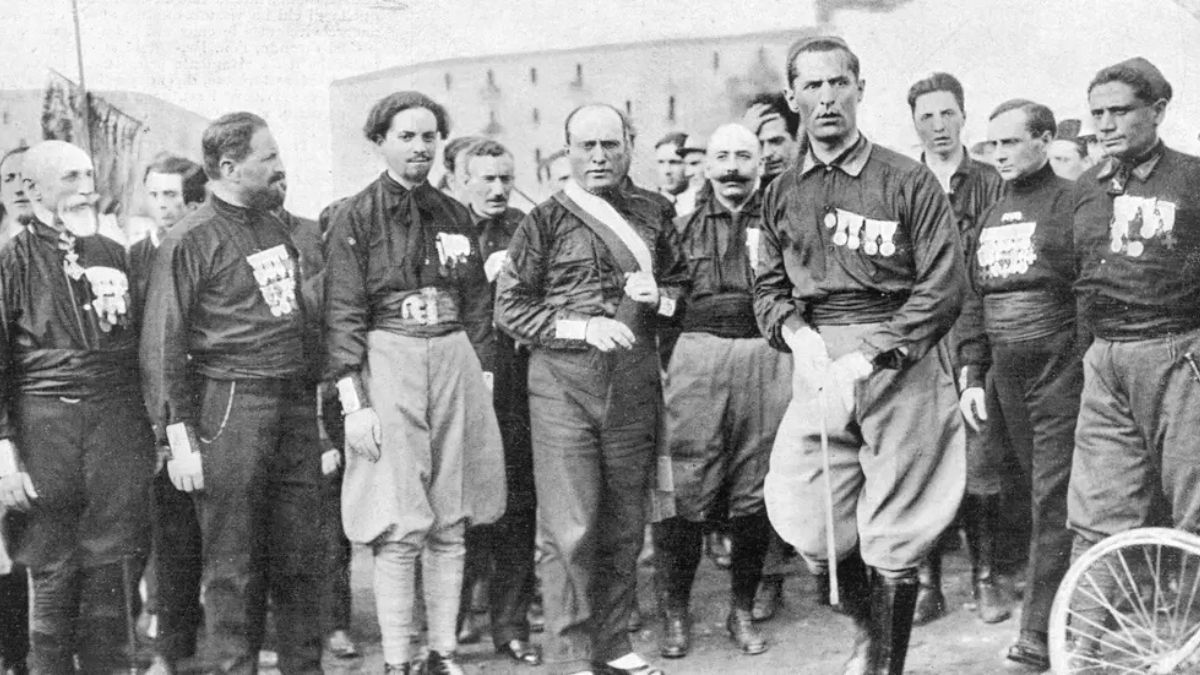
Fascisterne: Understanding Authoritarianism and Its Principles
Fascisterne refers to political movements or ideologies characterized by authoritarianism, nationalism, and centralized control. At its core, Fascisterne emphasizes a strong centralized government led by a single leader or party, often prioritizing the interests of the state over individual freedoms.
This ideology has historically been associated with regimes that enforce strict control over politics, society, and even culture. Understanding Fascisterne involves exploring its key principles, social impact, and historical context.
Key Principles of Fascisterne
Fascisterne revolves around several central tenets that define its political philosophy:
Authoritarian Leadership
A defining feature of Fascisterne is the concentration of power in the hands of one leader or a single ruling party. Decision-making is centralized, and dissent is often discouraged or suppressed.
Nationalism
Fascisterne strongly emphasizes national unity and identity. It promotes loyalty to the nation-state and often portrays the government as the ultimate protector of cultural or national values.
State Control
The ideology supports government oversight of key sectors of society, including the economy, media, and education. This control ensures alignment with the state’s vision and suppresses opposition.
Suppression of Opposition
Political dissent, free press, and independent movements are often restricted under Fascisterne. The ideology values order and unity over pluralism and individual expression.
Social and Cultural Aspects
Fascisterne is not just a political ideology; it also affects social and cultural life. Followers often promote uniformity in societal values and discourage criticism of the state or its policies.
Cultural expressions, such as art, literature, and media, are often aligned with state ideology. This reinforces the regime’s authority and helps maintain social cohesion under centralized control.
Historical Context
Throughout history, movements influenced by Fascisterne have emerged in various countries. These regimes often rise during periods of political instability, economic crisis, or social unrest, promising order, national pride, and decisive leadership.
While each instance varies, common patterns include:
- Centralized governance under a strong leader
- Propaganda to reinforce state ideology
- Militarization of society
- Restriction of civil liberties
Studying these historical examples provides insight into how Fascisterne shapes governance and society.
Advantages Claimed by Proponents
Supporters of Fascisterne often argue that it provides:
- Political stability and order
- Rapid decision-making due to centralized authority
- A sense of national unity and identity
- Strong leadership during crises
However, these perceived benefits frequently come at the cost of individual freedoms and political pluralism.
Criticisms and Risks
Fascisterne is widely criticized for the following reasons:
- Suppression of Freedom: Individual liberties, freedom of speech, and political opposition are often restricted.
- Risk of Abuse: Concentration of power can lead to corruption, authoritarian excesses, and human rights violations.
- Limited Accountability: Centralized leadership reduces transparency and public oversight.
- Social Intolerance: Minority groups or dissenting voices may face discrimination or persecution.
These risks illustrate why many political theorists and historians view Fascisterne as a dangerous form of governance.
Fascisterne in Modern Context
While classical examples of Fascisterne are associated with the early 20th century, some aspects of the ideology continue to appear in contemporary politics. Modern authoritarian movements may adopt elements such as:
- Strong nationalist rhetoric
- Centralized executive power
- Restrictive measures against political opponents
- Emphasis on loyalty to the state over individual rights
Recognizing these patterns helps citizens understand potential threats to democratic institutions.
People Also Ask
What is Fascisterne?
Fascisterne is an authoritarian political ideology emphasizing centralized power, nationalism, and strict state control.
Who leads under Fascisterne?
Typically, a single leader or a ruling party exercises concentrated authority.
How does Fascisterne affect society?
It often suppresses dissent, controls media and culture, and promotes uniformity in societal values.
Why do some people support Fascisterne?
Supporters may value political stability, national unity, and strong leadership during crises.
What are the dangers of Fascisterne?
It risks abuse of power, suppression of freedoms, discrimination, and limited accountability.
Final Thoughts
Fascisterne represents a political ideology focused on authoritarian control, nationalism, and centralized governance. While it can offer temporary stability and a sense of unity, it carries significant risks to individual freedoms, political diversity, and social tolerance.
Understanding Fascisterne is essential for recognizing the balance between governance and liberty, and for analyzing how similar authoritarian tendencies may appear in modern societies.